 English
 中文简体
中文简体

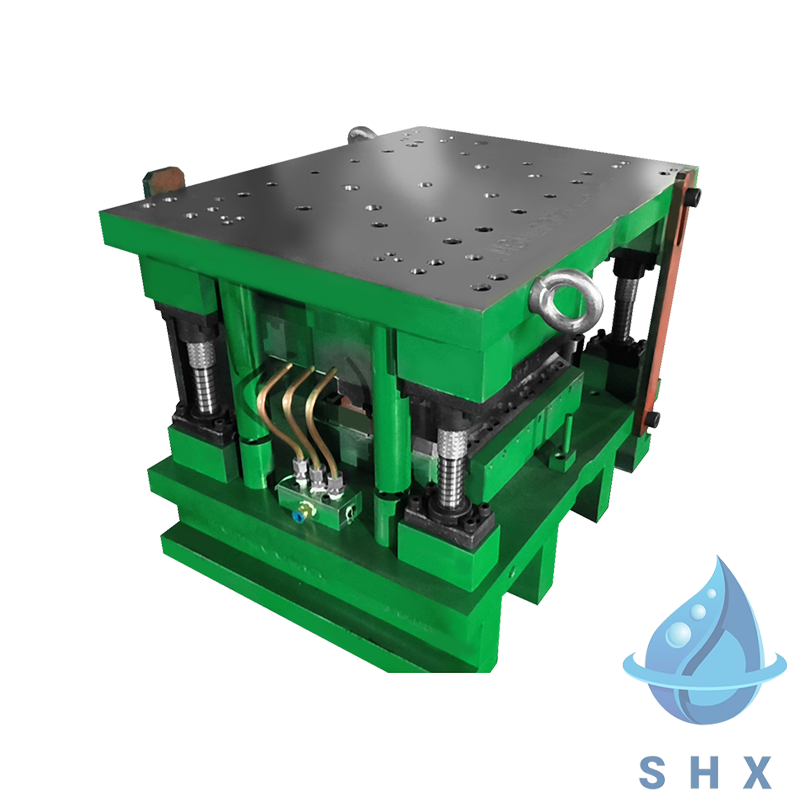
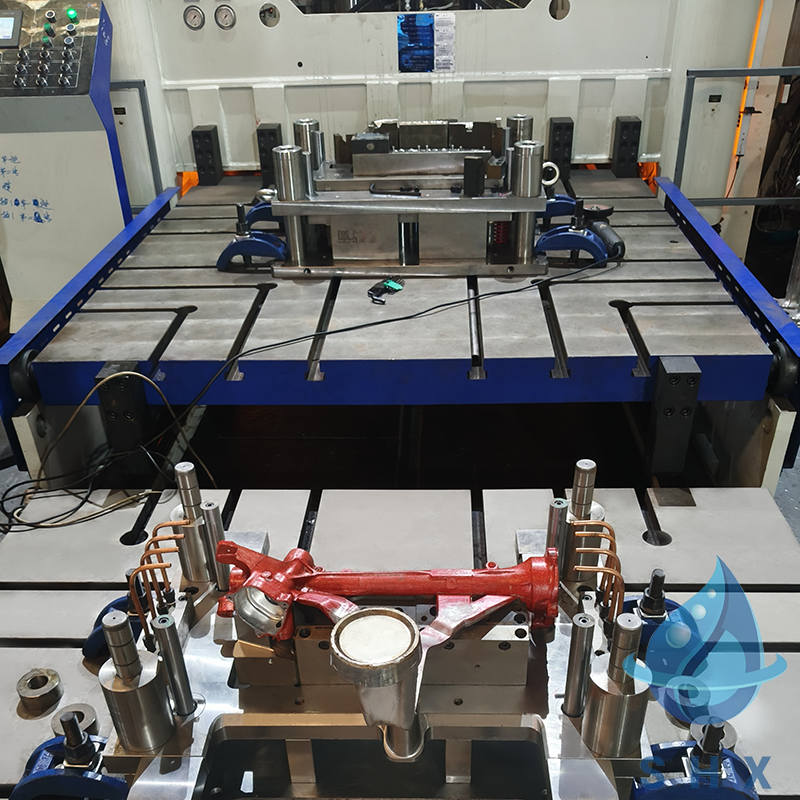
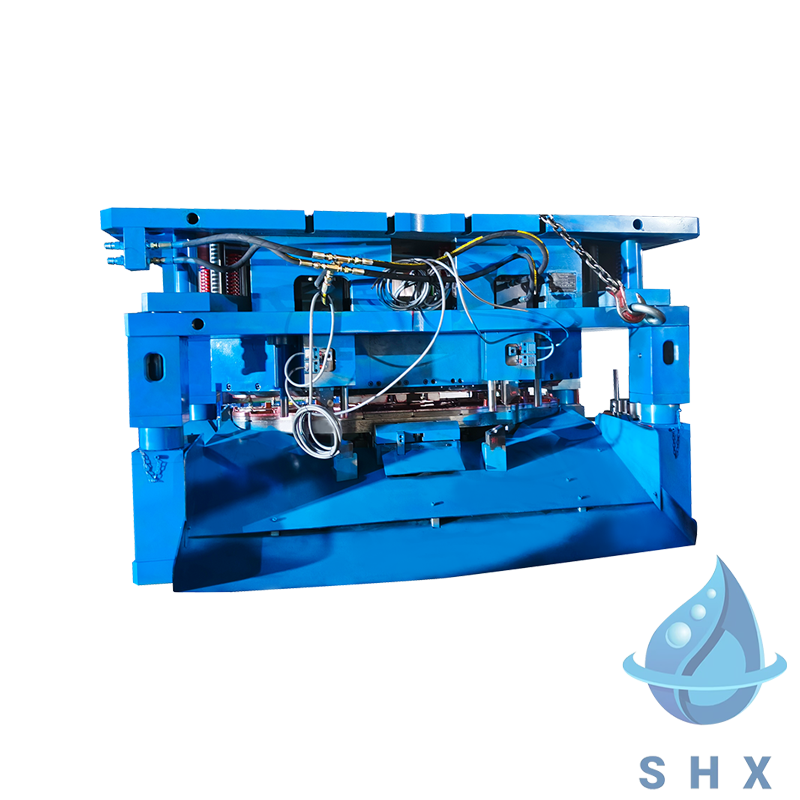
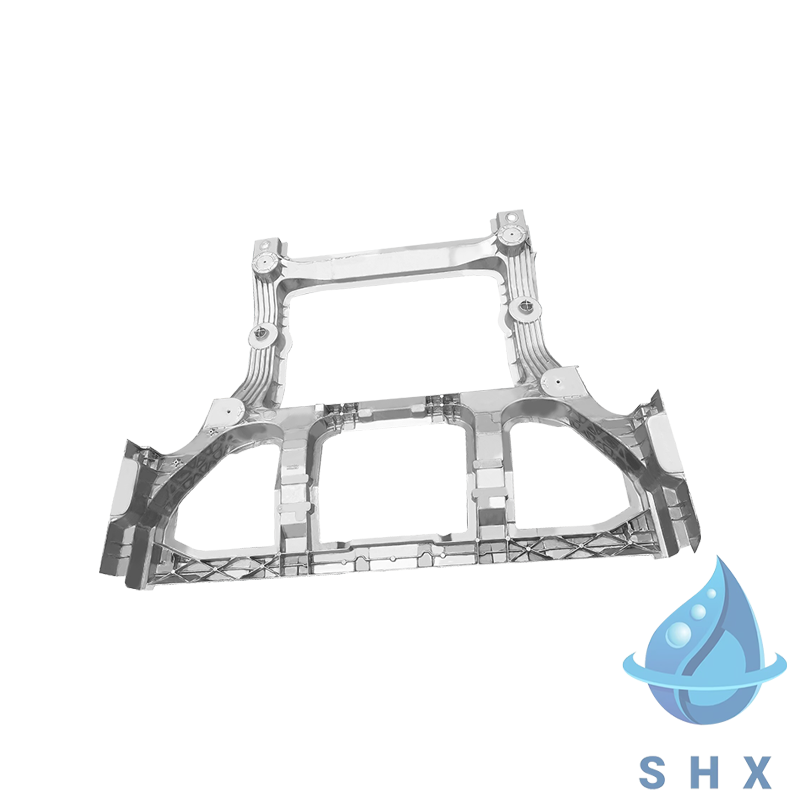
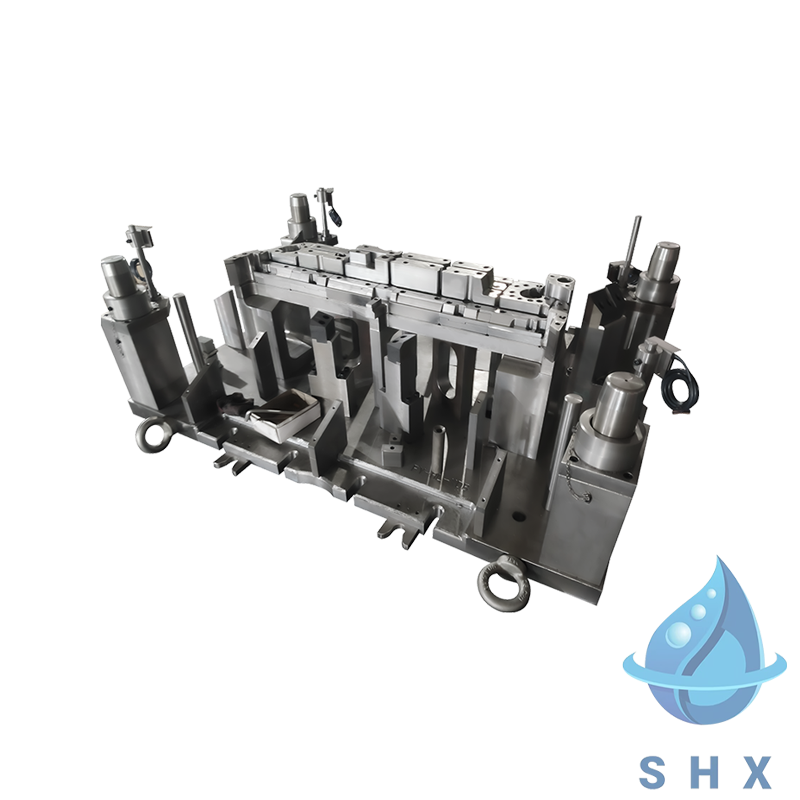
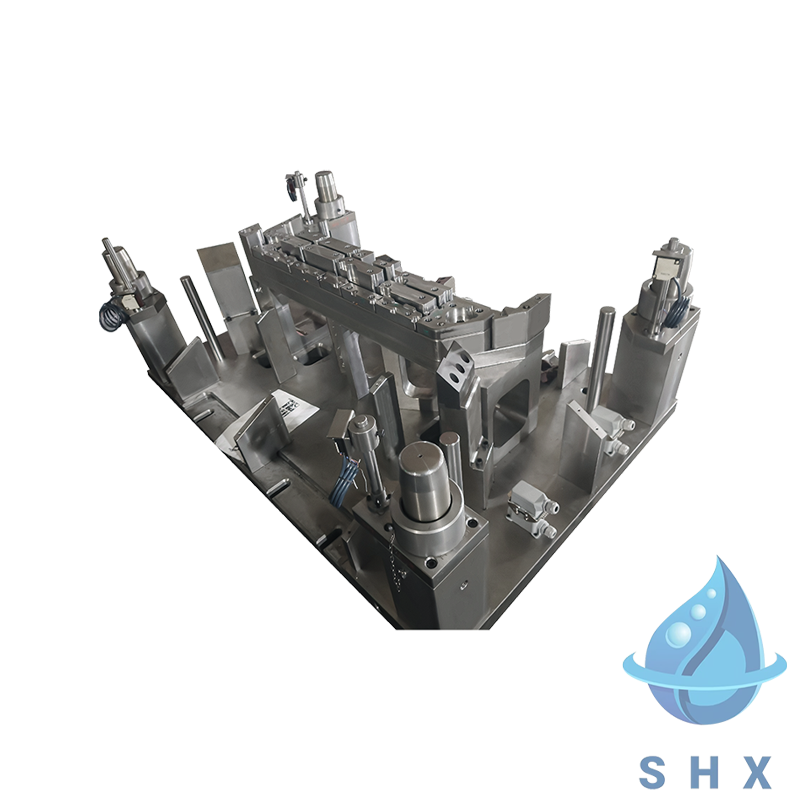
In modern manufacturing, the use of Automatic Trimming in Die Casting Mold has revolutionized the way components are finished, offering unparalleled precision, efficiency, and cost-effectiveness. This article explores the numerous advantages, compares manual and automatic trimming, and provides practical guidance for manufacturers seeking to optimize die casting processes.
Understanding Automatic Trimming in Die Casting Mold
Automatic trimming refers to the use of automated machinery to remove excess material, burrs, or flash from die-cast components immediately after they are formed. Unlike manual trimming, which relies on human labor, automatic trimming integrates mechanical, pneumatic, or hydraulic systems to achieve consistent and precise finishing.
The process involves:
- High-speed removal of flash or excess metal.
- Precision cutting to meet design specifications.
- Integration with die casting production lines for seamless operation.
- Minimization of human error and variability.
Key Advantages of Automatic Trimming in Die Casting Mold
1. Enhanced Production Efficiency
One of the most significant benefits is the dramatic increase in production efficiency. Automatic trimming allows for continuous processing without the delays associated with manual labor. Production lines can maintain high throughput, reducing cycle times and increasing overall output.
2. Improved Precision and Consistency
Automated systems ensure that every part meets strict dimensional tolerances. Unlike manual trimming, which may vary depending on operator skill, automatic trimming consistently produces uniform parts, improving the reliability of final products.
3. Reduced Labor Costs
By replacing manual trimming labor with automated systems, manufacturers can significantly reduce labor costs. This not only lowers expenses but also reallocates skilled workers to more complex tasks, increasing overall operational efficiency.
4. Enhanced Safety
Manual trimming involves exposure to sharp edges, high temperatures, and moving machinery, which increases the risk of workplace injuries. Automatic trimming minimizes direct human contact, thereby enhancing operator safety and reducing the likelihood of accidents.
5. Consistent Surface Quality
Automatic trimming ensures smoother and more consistent surfaces on die-cast components. This is particularly important for parts that require high aesthetic standards or precise mechanical performance.
Comparison: Manual vs Automatic Trimming in Die Casting Mold
| Aspect | Manual Trimming | Automatic Trimming |
| Efficiency | Low to moderate; dependent on operator skill | High; continuous and fast processing |
| Precision | Variable; prone to human error | Consistent; meets strict tolerances |
| Labor Cost | High; requires skilled operators | Low; minimal human intervention |
| Safety | Higher risk of injury | Lower risk; reduced human exposure |
| Surface Quality | Inconsistent; depends on skill | Smooth and uniform |
Applications of Automatic Trimming in Die Casting Mold
This technology is widely applied across industries requiring high-volume production of precision metal parts, including:
- Automotive components such as engine blocks, transmission parts, and chassis components.
- Consumer electronics housings and structural components.
- Aerospace parts that demand strict tolerance and surface finish.
- Industrial machinery components that require durable and uniform finishes.
Tips for Implementing Automatic Trimming in Die Casting Mold
- Analyze production volume to select appropriate automated trimming equipment.
- Ensure proper calibration of machines to maintain dimensional accuracy.
- Integrate automated trimming systems with existing die casting lines to streamline operations.
- Provide operator training for system monitoring and troubleshooting.
- Regularly maintain cutting tools to prevent wear-related defects.
Challenges and Considerations
While automatic trimming offers significant benefits, manufacturers should also consider:
- Initial capital investment for machinery.
- Maintenance requirements to ensure consistent performance.
- Programming complexity for custom part geometries.
- Integration with upstream die casting processes to avoid bottlenecks.
Frequently Asked Questions (FAQ)
Q1: Is automatic trimming suitable for all die-cast materials?
Yes, automatic trimming can be adapted for a wide range of die-cast materials including aluminum, zinc, magnesium, and copper alloys. The key is selecting proper cutting tools and machine settings for each material type.
Q2: How does automatic trimming impact production cycle time?
Automatic trimming significantly reduces cycle time by performing precise cuts immediately after casting, eliminating delays associated with manual labor. This results in faster overall production throughput.
Q3: Can automatic trimming handle complex geometries?
Yes, modern automatic trimming systems are programmable and capable of handling intricate and complex geometries with high precision, which would be challenging and time-consuming with manual methods.
Q4: What are the maintenance requirements?
Maintenance involves regular inspection of cutting tools, lubrication of moving parts, and monitoring of system performance to prevent downtime and maintain trimming accuracy.
Q5: Does automatic trimming improve product quality?
Absolutely. By delivering consistent, burr-free, and dimensionally accurate parts, automatic trimming enhances both the functional and aesthetic quality of die-cast components.
Conclusion
The adoption of Automatic Trimming in Die Casting Mold production offers significant advantages, including increased efficiency, higher precision, cost reduction, improved safety, and superior surface quality. By comparing manual and automatic methods, it is evident that automation is essential for manufacturers aiming to maintain competitiveness in high-volume, high-precision die casting operations. Careful planning, integration, and maintenance can maximize these benefits, ensuring consistent, high-quality production.
 +0086-18158459905