 English
 中文简体
中文简体

In modern high-volume manufacturing, the quality of a finished component begins long before it leaves the production floor. For industries that rely on die casting molds — from automotive and aerospace to electronics and consumer goods — the trimming stage is one of the most critical determinants of dimensional accuracy and surface integrity. For decades, manual trimming was the standard. Today, automatic trimming systems have redefined what precision means in die casting production.
This article explores the mechanics, advantages, comparisons, and practical implications of integrating automatic trimming technology into die casting mold operations, providing a comprehensive resource for engineers, procurement specialists, and manufacturing decision-makers.
Understanding the Role of Trimming in Die Casting Molds
When molten metal is injected into die casting molds under high pressure, it fills not only the part cavity but also surrounding channels, gates, runners, and any gap between mold halves. The solidified excess material — commonly referred to as flash — must be removed before the part can be considered finished.
This trimming process directly affects:
- Dimensional accuracy — excess flash can alter part dimensions if not cleanly removed.
- Surface quality — rough or uneven trimming leaves burrs that compromise aesthetics and fit.
- Assembly compatibility — components designed to interlock with others require clean, repeatable edges.
- Structural integrity — improper trimming near load-bearing features can weaken a part.
What Is Flash and Why Does It Form?
Flash forms when the injection pressure forces molten alloy into micro-gaps at the parting line of die casting molds. Even with precision-engineered tooling, some degree of flash is virtually unavoidable due to thermal expansion, wear on mold surfaces, and variations in injection parameters. Automatic trimming systems are engineered specifically to handle this inevitable reality with repeatable efficiency.
What Are Automatic Trimming Systems?
Automatic trimming systems are mechanized or robotic assemblies integrated into the die casting production line. They are programmed to remove flash, gates, runners, and overflows from cast parts with precision tooling — without manual intervention. These systems typically use:
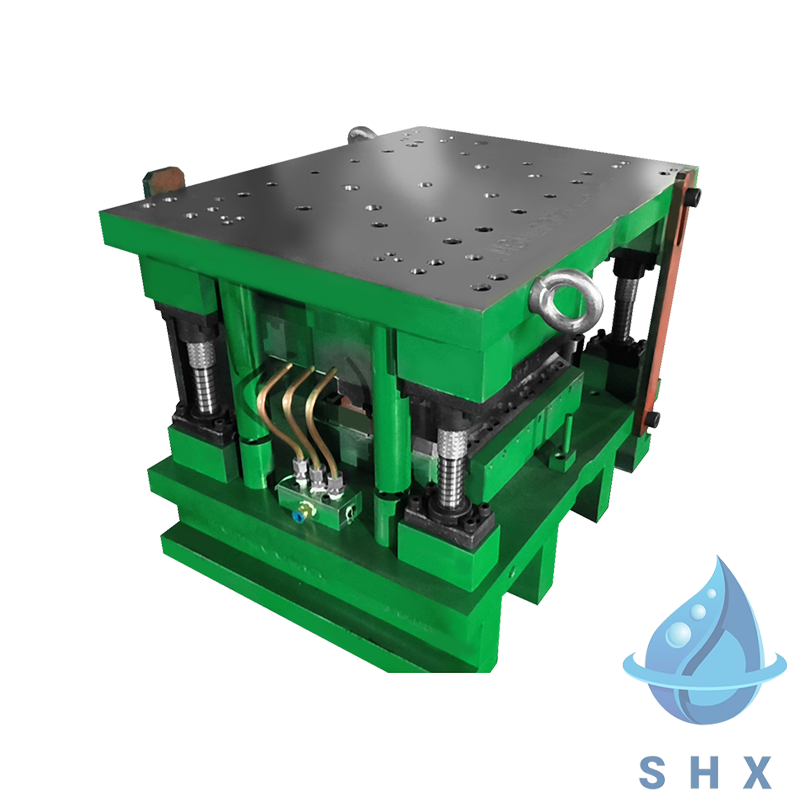
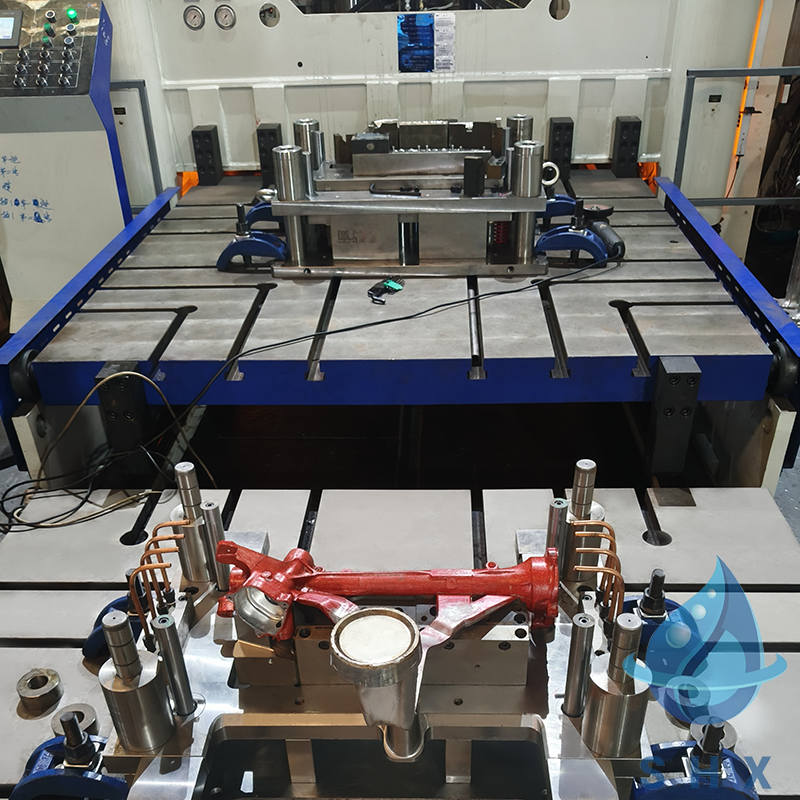
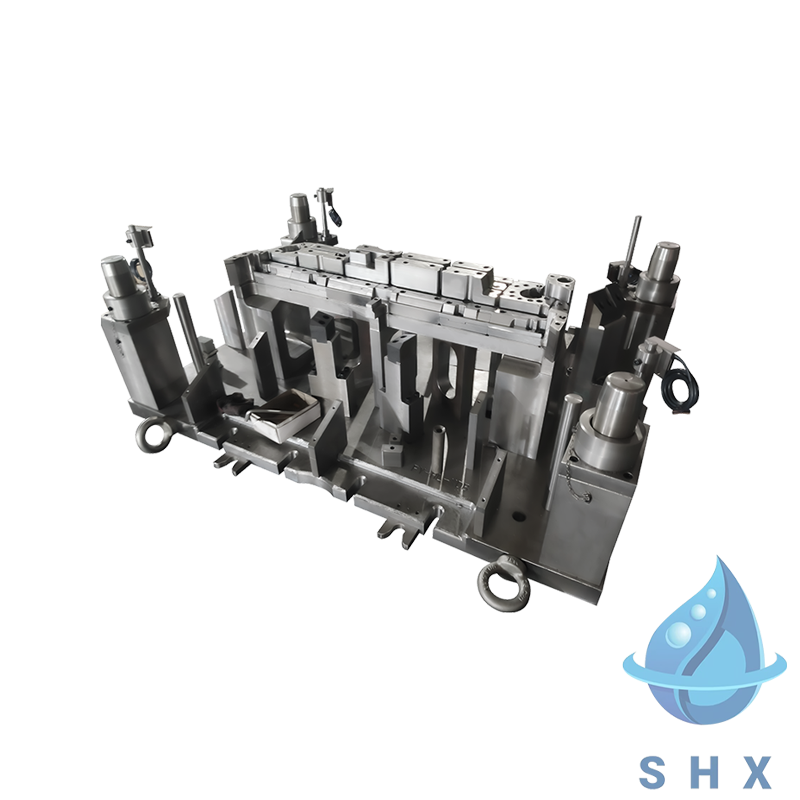
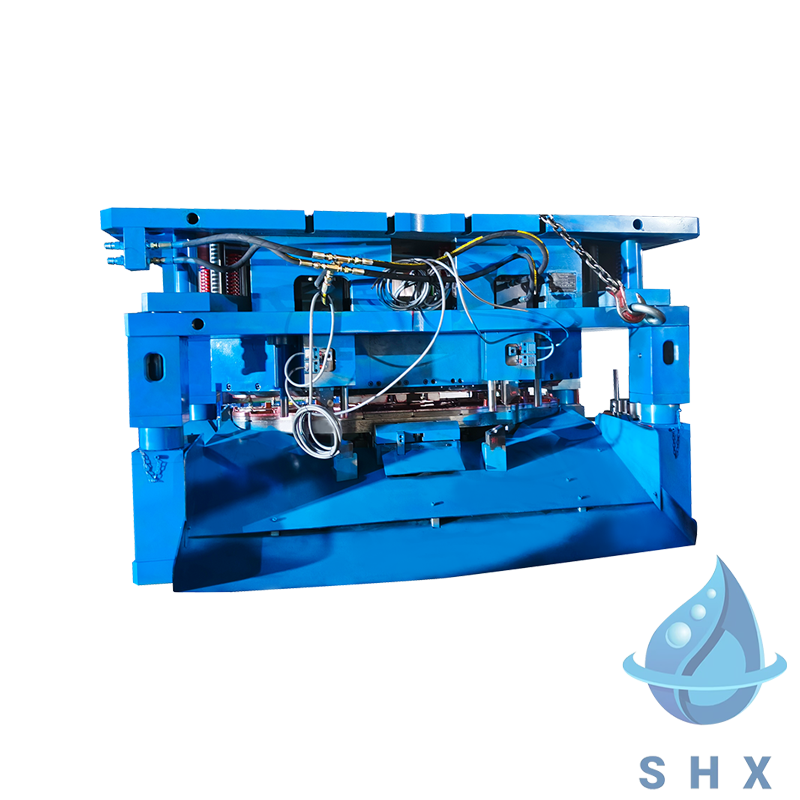
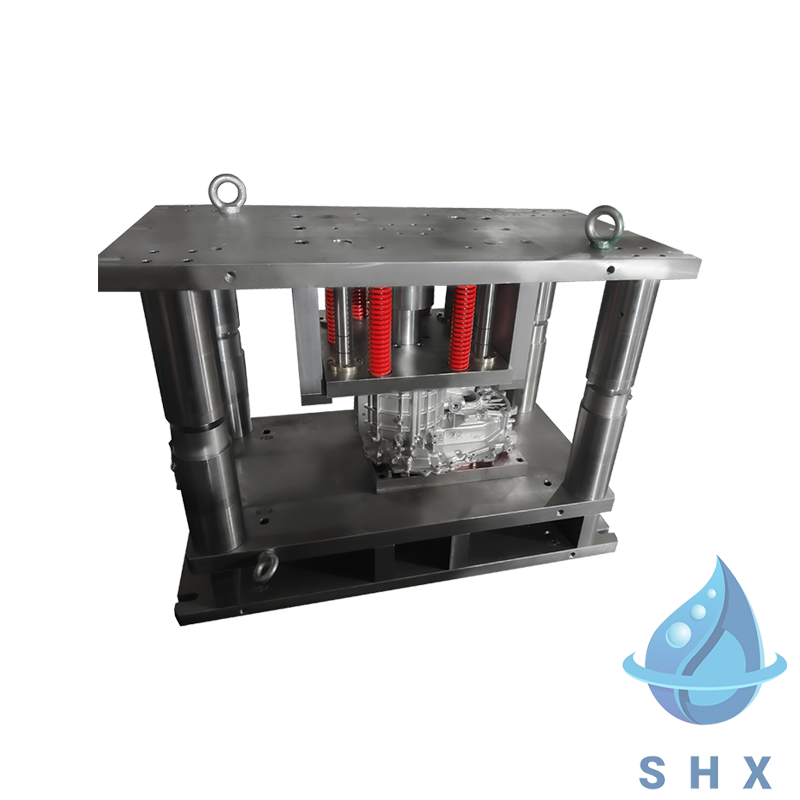
- Hydraulic trim dies — custom tooling that matches the part geometry for clean shearing.
- Robotic arms with cutting tools — CNC-guided robots that adapt to complex 3D profiles.
- Mechanical punch-and-die setups — high-speed presses that apply precise force at flash locations.
- Laser trimming modules — used in specialized applications requiring non-contact, ultra-fine trimming.
The choice of system depends on the alloy type, part complexity, production volume, and the specific characteristics of the die casting molds in use.
Key Ways Automatic Trimming Systems Enhance Precision
1. Elimination of Human Variability
Human operators, regardless of skill level, introduce variability in hand trimming. Fatigue, inconsistent force application, and positional drift lead to parts that differ from one another. Automatic trimming systems execute the exact same motion profile for every single part — guaranteeing that the 10,000th part is trimmed identically to the first.
2. Tight Tolerancing Through Custom Tooling
Trim dies and fixtures are designed to match the precise geometry of parts produced by die casting molds. The trimming force is applied only where needed, and the trim line follows exact contours programmed by engineers. This produces parts with flash-removal accuracy typically within ±0.05 mm — far beyond what manual methods can reliably achieve.
3. Real-Time Monitoring and Adaptive Control
Advanced automatic trimming systems incorporate sensors that monitor trim force, cycle time, and tool wear in real time. If deviations are detected — such as a part positioned incorrectly or a tool beginning to dull — the system flags the issue or compensates automatically. This closed-loop feedback loop is essential for maintaining precision over long production runs with die casting molds.
4. Reduced Secondary Processing Requirements
When trimming is imprecise, parts often require downstream deburring, grinding, or hand finishing. Automatic trimming systems are designed to deliver parts that are ready for immediate use or assembly. This reduces production steps, lowers per-part cost, and keeps tolerances tighter by avoiding additional material removal that could affect dimensions.
5. Synchronized Integration with Die Casting Cells
Modern automatic trimming systems are designed to operate as part of a fully integrated die casting cell. They receive parts directly from the casting machine via conveyor or robot transfer, trim them within the cycle time of the casting machine itself, and pass them to the next stage. This seamless integration prevents part distortion from cooling delays and ensures consistent thermal conditions at trimming — both of which contribute to dimensional precision.
Automatic vs. Manual Trimming: A Detailed Comparison
The following table highlights the key differences between manual and automatic trimming approaches for die casting molds production:
| Criteria | Manual Trimming | Automatic Trimming |
|---|---|---|
| Dimensional Accuracy | ±0.3–0.8 mm (operator-dependent) | ±0.03–0.10 mm (tool-defined) |
| Repeatability | Low — varies per operator and shift | High — identical result every cycle |
| Cycle Time | 30–120 seconds per part | 3–15 seconds per part |
| Labor Cost | High — skilled operators required | Low — minimal ongoing labor |
| Safety Risk | Higher — sharp flash, hot parts | Lower — enclosed, guarded systems |
| Defect Rate | 5–15% requiring rework | <1% with proper setup |
| Scalability | Limited by workforce availability | Easily scaled with additional cells |
| Traceability | Difficult — no process data | Full data logging per cycle |
Precision Impact Across Different Die Casting Mold Types
Not all die casting molds present the same trimming challenges. The precision benefits of automatic systems vary depending on the mold configuration and application:
Cold Chamber Die Casting Molds
Commonly used for aluminum, magnesium, and copper alloys, cold chamber molds produce parts with heavier flash due to higher injection pressures. Automatic trimming systems with robust hydraulic trim dies are especially effective here, cleanly shearing thick flash without deforming adjacent precision features.
Hot Chamber Die Casting Molds
Used primarily for zinc, tin, and lead alloys, hot chamber molds cycle faster and produce finer flash. High-speed automatic trimming presses synchronized with the casting machine maintain the rapid pace while delivering consistent edge quality on delicate thin-walled components.
Multi-Cavity Die Casting Molds
Multi-cavity tools produce several identical parts per shot. Automatic trimming systems for these molds are configured to process all cavities simultaneously — ensuring that every part from every cavity is trimmed identically, eliminating cavity-to-cavity variation that manual trimming would inevitably introduce.
Technological Advances Driving Greater Precision
Vision-Guided Robotic Trimming
The latest generation of automatic trimming systems incorporates machine vision cameras that scan each part prior to trimming. The system adjusts the tool path in real time to compensate for minor casting variation, warpage, or misalignment. This is particularly valuable when die casting molds are approaching end-of-life and producing slightly less consistent parts.
AI-Driven Predictive Maintenance
Tool wear is one of the primary enemies of trimming precision. Modern systems monitor force signatures during each trim cycle. Machine learning algorithms identify patterns that precede tool wear failure, prompting preventive maintenance before precision degrades. This ensures that die casting molds continue to produce parts that meet specification throughout the production run.
Integration with MES and Quality Systems
Automatic trimming systems now routinely interface with Manufacturing Execution Systems (MES) and Statistical Process Control (SPC) platforms. Every trim event is recorded with timestamps, force data, and part identifiers. This traceability supports ISO/TS 16949, IATF 16949, and other quality certifications critical to automotive and aerospace customers who depend on precision die casting molds.
Summary of Precision Benefits from Automatic Trimming in Die Casting Molds:
- Tighter dimensional tolerances — consistent ±0.05 mm or better
- Zero operator-induced variation — same result every cycle, every shift
- Fewer downstream operations — less deburring, grinding, rework
- Higher OEE — faster cycles, less downtime from quality failures
- Full traceability — every part traceable to its trimming parameters
- Adaptive correction — vision and AI adjust for mold aging and part variation
Industry Applications That Demand High-Precision Trimming
| Industry | Typical Parts | Precision Requirement | Trimming Priority |
|---|---|---|---|
| Automotive | Engine housings, transmission brackets | ±0.05 mm | Critical |
| Electronics | Connector housings, heat sinks | ±0.03 mm | Very High |
| Aerospace | Structural brackets, valve bodies | ±0.025 mm | Extreme |
| Medical Devices | Instrument housings, implant components | ±0.02 mm | Extreme |
| Consumer Products | Handles, fixtures, hardware | ±0.1 mm | High |
Return on Investment: Precision as a Business Case
Precision is not just a technical achievement — it is a financial one. When automatic trimming systems improve the consistency of parts produced by die casting molds, the impact is measurable across the entire operation:
- Scrap Reduction: Precision trimming can reduce scrap rates from 8–12% to under 1%, translating directly into material cost savings on every production run.
- Warranty and Recall Avoidance: In automotive and aerospace, a single recall attributable to dimensional non-conformance can cost millions. Consistent trimming eliminates a major source of such risk.
- Labor Reallocation: Operators previously dedicated to manual trimming can be redeployed to higher-value tasks such as quality inspection, maintenance, or process optimization.
- Faster Time-to-Ship: Without a manual trimming bottleneck, production flow accelerates, enabling faster order fulfillment and reduced work-in-progress inventory.
- Extended Mold Life: Precision trimming reduces the mechanical shock transferred back to die casting molds, as controlled force application during trimming avoids the jarring impact of manual hammer or chisel methods.
Frequently Asked Questions (FAQ)
Q1: Can automatic trimming systems handle complex part geometries from die casting molds?
Yes. Robotic trimming systems with 6-axis freedom and vision guidance can navigate highly complex 3D geometries. Trim dies can also be engineered with multiple punch profiles to address intricate flash patterns unique to specific die casting molds.
Q2: How quickly do automatic trimming systems pay back their investment?
For high-volume production lines, ROI is typically achieved within 12–36 months, driven by reduced labor, lower scrap rates, and fewer quality escapes. Higher-volume applications and those with strict tolerance requirements see faster payback periods.
Q3: Do automatic trimming systems work with all alloys used in die casting molds?
Most systems are configured for specific alloys, since aluminum, zinc, and magnesium have different hardness, brittleness, and flash characteristics. However, the same automatic trimming platform can often be retooled to handle different alloys by changing trim dies, adjusting press tonnage, and modifying cycle parameters.
Q4: How does automatic trimming affect mold longevity?
Precision trimming using proper tooling reduces the mechanical stress transferred to the casting during flash removal. Unlike manual trimming, which can impose uncontrolled lateral forces on the part (and by extension on the mold-adjacent features), automatic systems apply force only in the programmed direction and magnitude — contributing to extended service life of both the parts and the die casting molds.
Q5: Is it possible to retrofit existing die casting lines with automatic trimming?
Absolutely. Retrofit integration is one of the most common implementation paths. Suppliers typically conduct a cell audit, design a trimming solution around the existing casting machine footprint and part family, and install the system with minimal disruption to ongoing production. Modular trim press designs are especially well-suited to retrofit applications.
Q6: What maintenance does an automatic trimming system require?
Trim die sharpening or replacement is the primary maintenance task, typically scheduled based on part count (e.g., every 50,000–200,000 cycles depending on alloy and flash thickness). Hydraulic systems require periodic fluid and seal inspection. Modern systems with predictive maintenance capabilities significantly reduce unplanned downtime.
Conclusion
Automatic trimming systems are not merely a convenience — they are a precision engineering tool that fundamentally elevates the quality output of die casting molds. By removing human variability, applying consistent and repeatable force through custom tooling, integrating sensor feedback, and leveraging machine vision and AI, these systems deliver part quality that manual processes simply cannot match at scale.
For manufacturers operating in industries where tolerances are tight and quality failures are costly, investing in automatic trimming is one of the most impactful decisions tied to die casting mold performance. The result is not just cleaner parts — it is a leaner, more competitive, and more reliable production operation.
As die casting molds technology continues to evolve toward tighter tolerances, lighter alloys, and more complex geometries, the role of automatic trimming systems will only grow more central to achieving the precision that modern manufacturing demands.
 +0086-18158459905