 English
 中文简体
中文简体

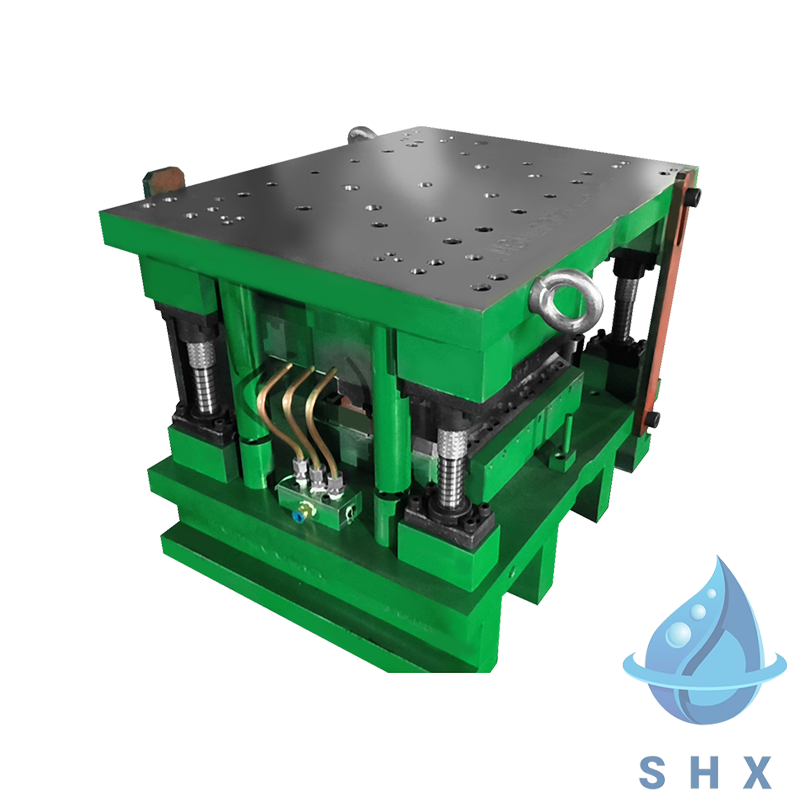
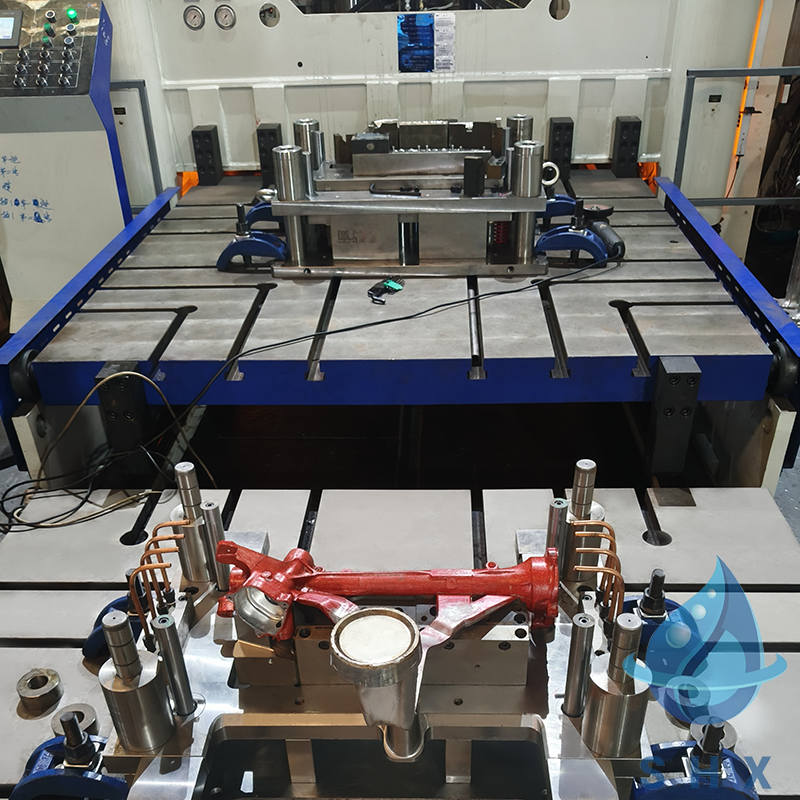
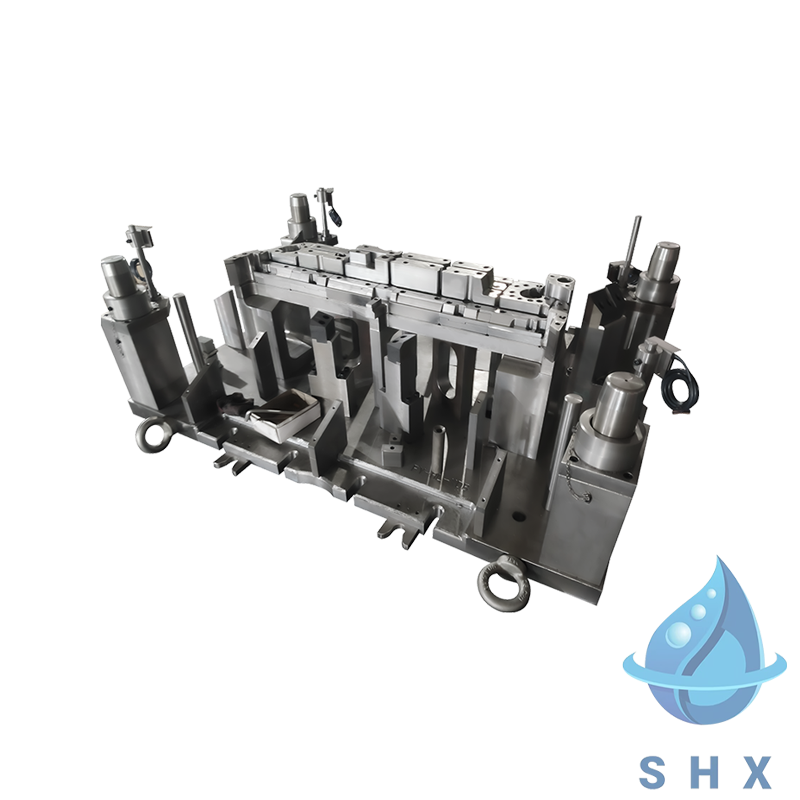
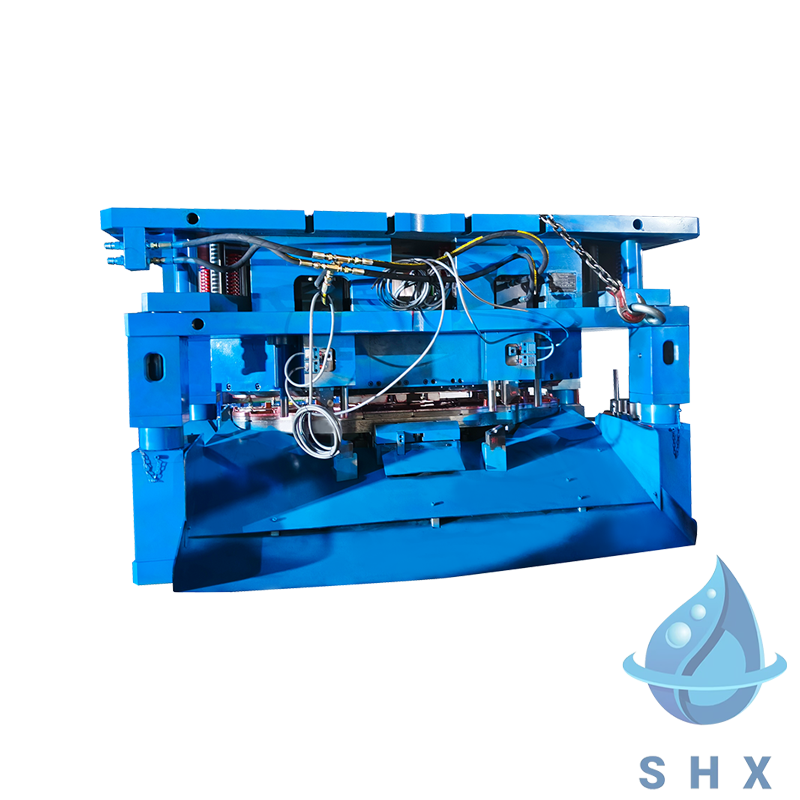
Die casting is a widely used manufacturing process that allows for the creation of high-precision metal components. Once a casting is produced, excess material—commonly known as flash—must be removed to ensure the component meets quality standards. Automatic trimming systems play a critical role in enhancing production efficiency and ensuring uniform quality in die casting operations. There are several types of automatic trimming systems, each with unique advantages and limitations, suitable for different production requirements.
Overview of Die Casting Mold Trimming
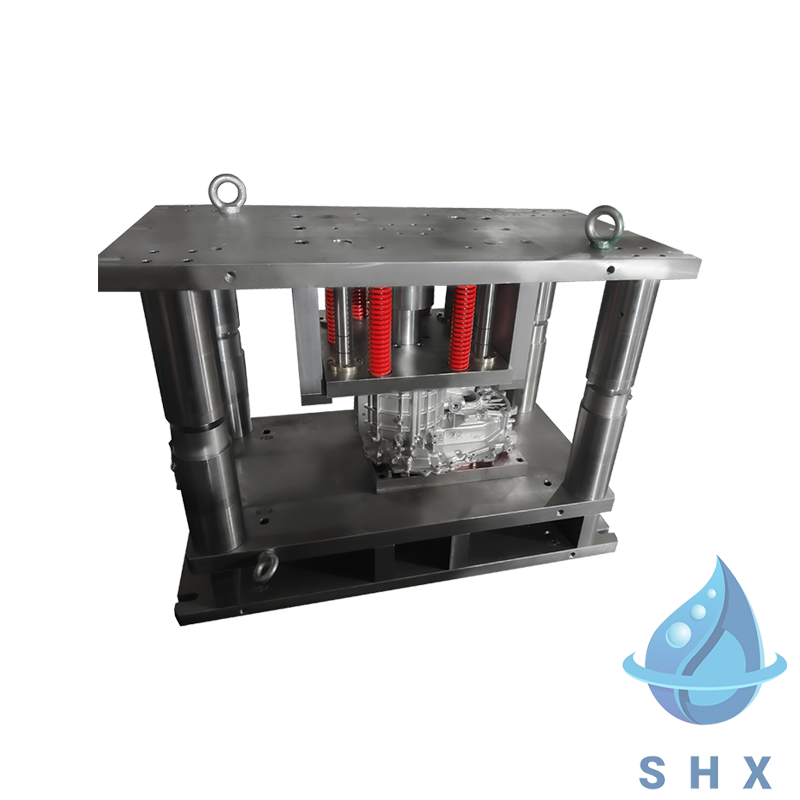
Die casting mold trimming is the process of removing excess material from cast parts automatically. Trimming ensures components achieve their desired dimensions and surface quality. Automatic trimming systems reduce manual labor, improve safety, and maintain consistent quality across large production runs. Selecting the right trimming system is crucial for balancing speed, precision, and cost-efficiency.
Types of Automatic Trimming Systems
Automatic trimming systems can be broadly classified into the following types:
1. Hydraulic Trimming Systems
Hydraulic trimming systems use pressurized fluid to drive trimming tools, offering high force and precision. These systems are ideal for trimming large, thick, or complex die cast components.
- Advantages: High force, precise trimming, suitable for heavy-duty applications.
- Disadvantages: Slower cycle times, higher maintenance due to hydraulic components.
- Applications: Automotive engine blocks, large industrial components, aluminum housings.
2. Mechanical Trimming Systems
Mechanical trimming systems rely on cams, linkages, or gear-driven mechanisms to perform trimming actions. They are robust and reliable for repetitive trimming tasks in high-volume production.
- Advantages: Fast cycle times, low operating cost, minimal energy consumption.
- Disadvantages: Limited adaptability for complex geometries, less force than hydraulic systems.
- Applications: Small to medium-sized castings, such as brackets, housings, and housings for electronics.
3. Pneumatic Trimming Systems
Pneumatic trimming systems use compressed air to drive cutting tools. These systems are suitable for lighter materials and medium-sized castings, offering a balance between speed and precision.
- Advantages: Fast response, simple maintenance, lower cost than hydraulic systems.
- Disadvantages: Limited force, not suitable for very thick or high-strength castings.
- Applications: Die cast components made of zinc, magnesium, or lightweight aluminum alloys.
4. Servo Trimming Systems
Servo trimming systems use electronically controlled servo motors to operate trimming tools. These systems provide high flexibility, accuracy, and repeatability for complex or custom die casting shapes.
- Advantages: Highly precise, adjustable speed, programmable for complex geometries, energy-efficient.
- Disadvantages: Higher initial cost, requires skilled operators for programming.
- Applications: Precision components in automotive, aerospace, and electronics industries.
Comparison of Automatic Trimming Systems
The following table provides a clear comparison of the main types of automatic trimming systems used in die casting molds:
| System Type | Power Source | Force | Speed | Precision | Best Applications |
| Hydraulic | Hydraulic fluid | High | Moderate | High | Large and thick castings, engine blocks |
| Mechanical | Mechanical linkages | Medium | High | Medium | Small to medium-sized components, high-volume production |
| Pneumatic | Compressed air | Low to medium | High | Medium | Lightweight materials, zinc/magnesium castings |
| Servo | Electric servo motors | Medium | Variable | Very high | Precision components, complex geometries |
Factors to Consider When Choosing a Trimming System
- Casting Material: Heavier and stronger metals may require hydraulic systems, while lighter alloys can use pneumatic or servo systems.
- Part Size and Complexity: Large or complex parts often benefit from servo or hydraulic trimming systems due to precision and force requirements.
- Production Volume: Mechanical systems are ideal for high-volume production due to their fast cycle times, while servo systems offer flexibility for low to medium volume with varying designs.
- Budget and Maintenance: Hydraulic systems have higher maintenance costs, whereas mechanical and pneumatic systems are generally simpler and more cost-effective.
- Energy Efficiency: Servo systems are often more energy-efficient, with the ability to optimize speed and force as needed.
Frequently Asked Questions (FAQ)
Q1: Can one trimming system handle all types of die castings?
While some systems are versatile, no single system is ideal for all applications. Large, heavy castings require hydraulic force, while complex, lightweight parts benefit from servo systems. Production volume and material type also influence the choice.
Q2: How does an automatic trimming system improve production efficiency?
Automatic trimming systems reduce manual labor, shorten cycle times, and maintain consistent quality. They allow for continuous operation and reduce the likelihood of human error, which is critical in high-volume manufacturing.
Q3: Are servo trimming systems suitable for mass production?
Yes, but they are best for medium-volume production where flexibility and precision are required. For very high-volume, repetitive parts, mechanical or hydraulic systems may offer better cost efficiency.
Q4: How do maintenance requirements differ among trimming systems?
Hydraulic systems require regular inspection for leaks and fluid levels. Mechanical systems are relatively low maintenance, focusing on lubrication and wear checks. Pneumatic systems need air supply monitoring, while servo systems require software updates and periodic motor inspections.
Q5: Can trimming systems be integrated with modern die casting automation?
Yes, most modern trimming systems, especially servo and hydraulic types, can be integrated with die casting automation lines, including robotic handling and in-line inspection, to further improve efficiency and quality control.
Conclusion
Choosing the right automatic trimming system for a die casting mold depends on multiple factors, including material type, component size, complexity, production volume, and budget. Hydraulic systems excel in high-force applications, mechanical systems are ideal for high-volume repetitive parts, pneumatic systems offer speed and simplicity for lightweight materials, and servo systems provide precision and flexibility for complex shapes. Understanding the differences and applications of each system allows manufacturers to optimize production efficiency, improve product quality, and reduce overall operational costs.
 +0086-18158459905